
kikiki optique Interview - Yasuhisa Obata and Yukiko Obata
An interview with Yasuhisa Obata and Yukiko Obata of kikiki optique, an eyewear brand based in Okachimachi, Tokyo—an area known for its long-standing tradition of metal engraving and jewelry making.
In this interview, culture eye explores the origins of the brand’s name, why Okachimachi became their chosen base, what makes the area distinctive, and how their collaborations with Japanese jewelry artists have taken shape.
kikiki optique creates one-of-a-kind eyewear by bringing together jewelry-making techniques and the craftsmanship of eyewear production in Sabae, with each piece carefully handcrafted in their atelier.
culture eye
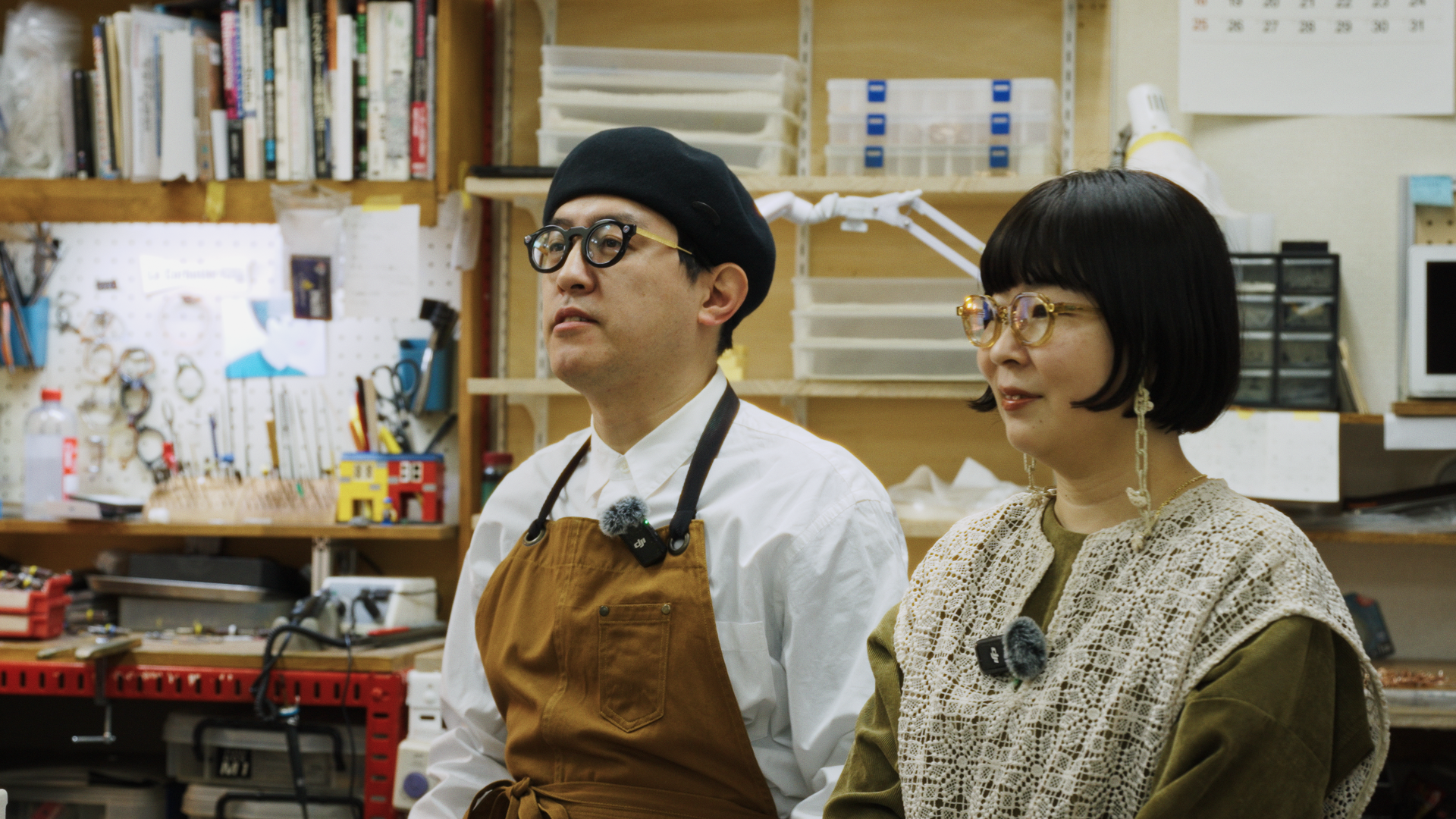
Could you please introduce yourselves and tell us your roles within the brand?
Yasuhisa Obata
Yes, I’m Yasuhisa Obata, designer and head of production at kikiki optique.
Yukiko Obata
I am Yukiko Obata, designer and head of sales.
culture eye
Could you tell us about the origin of the brand name, kikiki optique?
Yasuhisa Obata
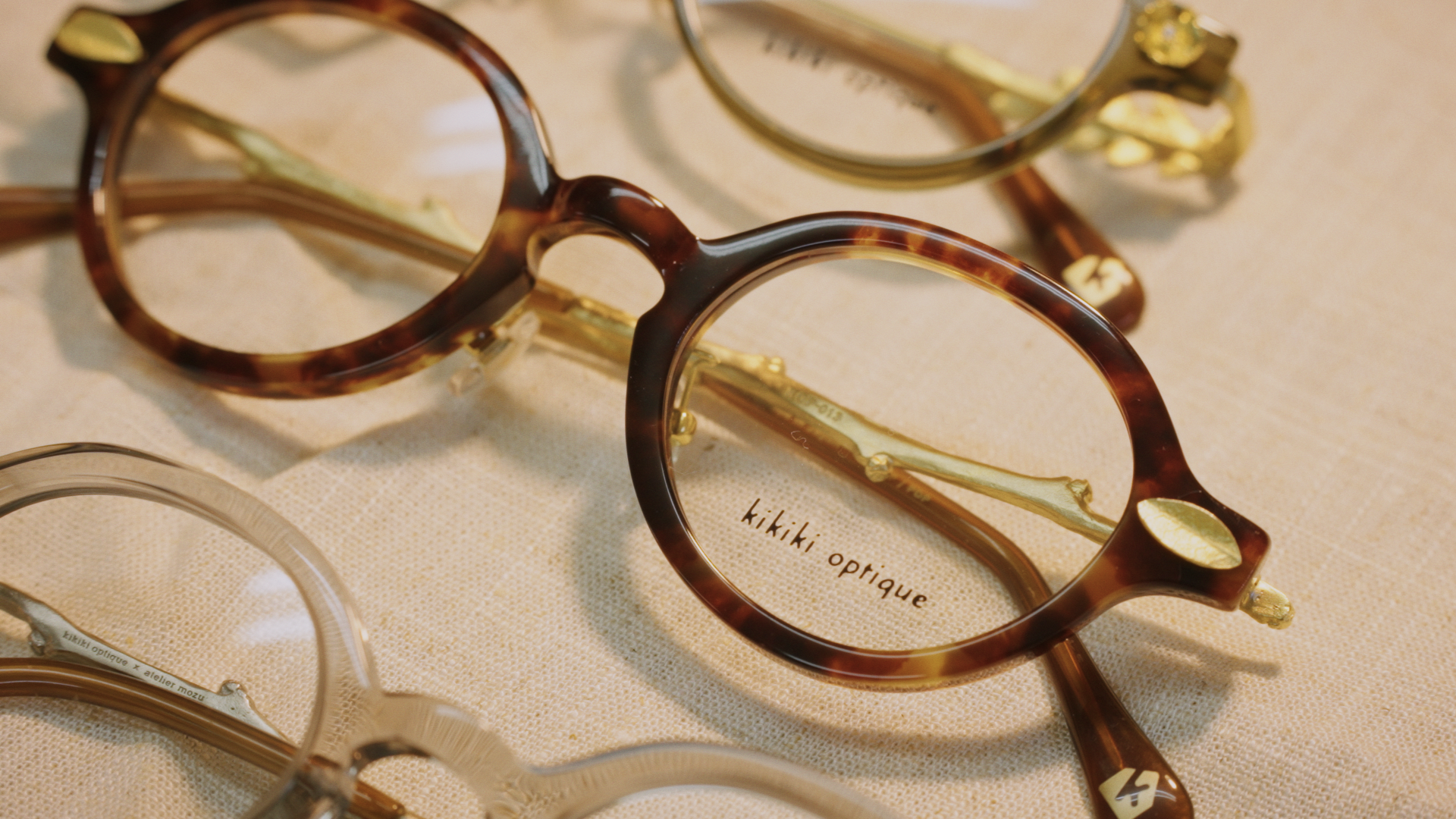
The name kikiki, when expressed in Japanese characters, can be expressed as 貴, 季, and 期 - kanji that evoke preciousness, the changing seasons, and the passage of time.
We chose this name with the hope that people will cherish what is valuable and use it for a long time, with care and patience.
culture eye
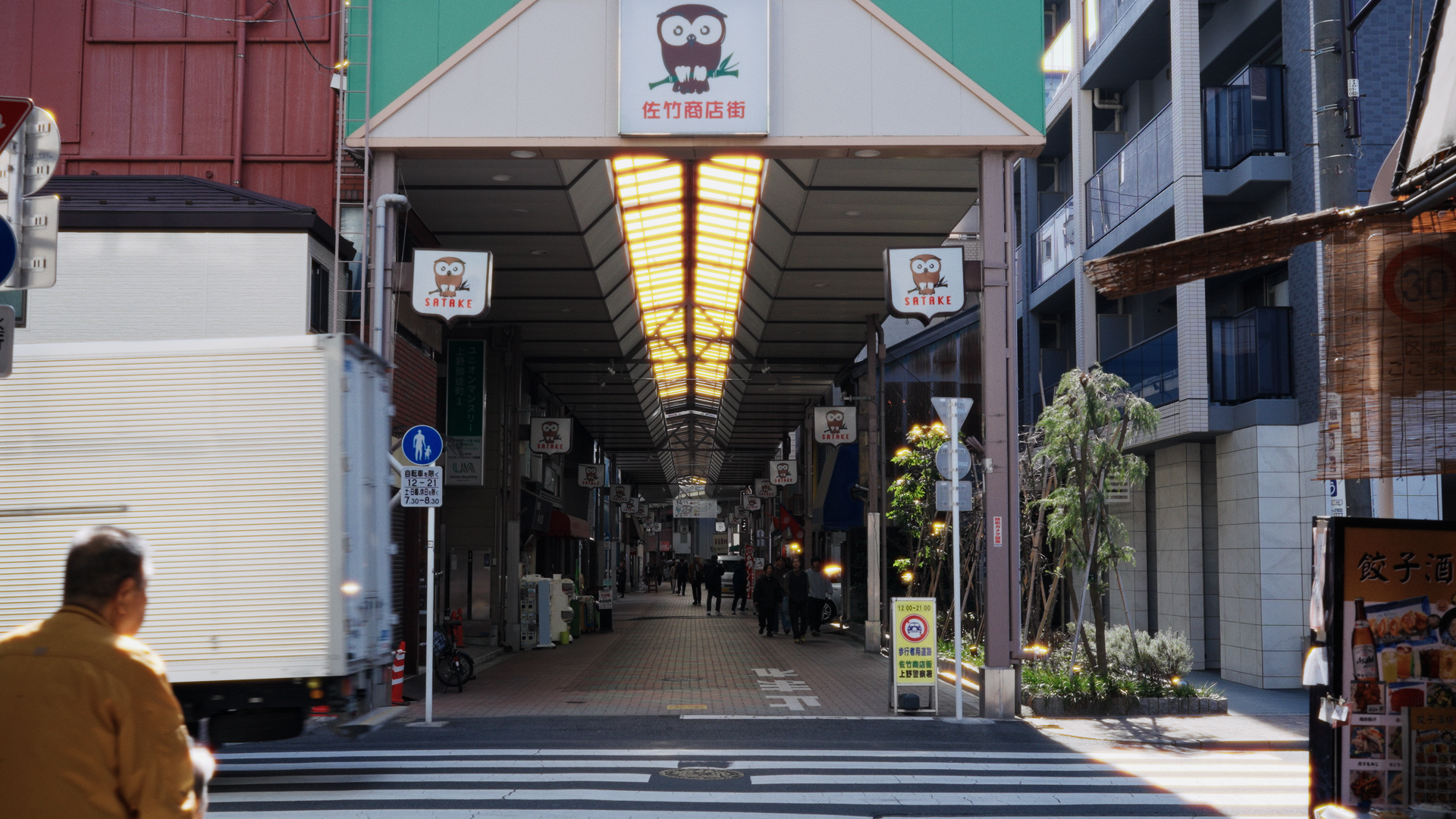
Your atelier is based in Okachimachi, Tokyo, an area known for metalwork and jewelry craftsmanship. What do you find most compelling about Okachimachi?
Yukiko Obata
One of Okachimachi’s greatest strengths is its concentration of specialist workshops and businesses related to precious metal processing. That makes it an ideal environment for craftsmanship, with both speed and flexibility built into the process.
Most of the materials and supplies we need are available within walking distance, and depending on the situation, processes such as plating can even be completed on the same day. The area around the station may appear a little chaotic at first glance, but once you step away from it, you find the warmth and comfort of a traditional downtown Tokyo neighborhood.
culture eye
The brilliance of your unique materials and your delicate designs are truly captivating. Where does your design inspiration come from?
Yasuhisa Obata
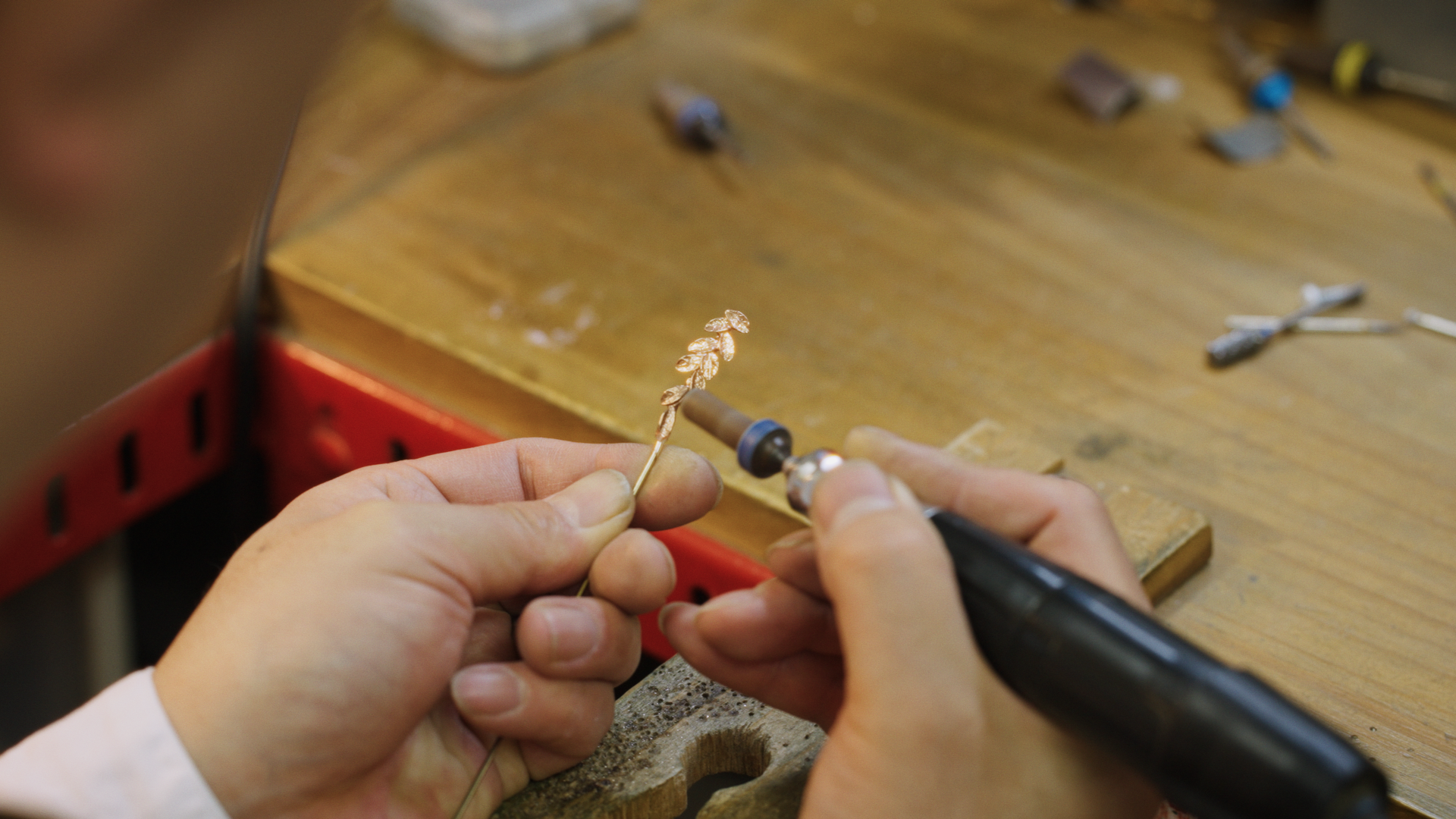
A major characteristic of our brand is the ability to express delicate textures through metalworking techniques using casting, so we design with an awareness of creating textures that make the most of that strength.
As for inspiration, we find hints in ordinary, everyday life—so I don’t think we’ll ever run out.
culture eye
What matters most to you in design?
Yukiko Obata
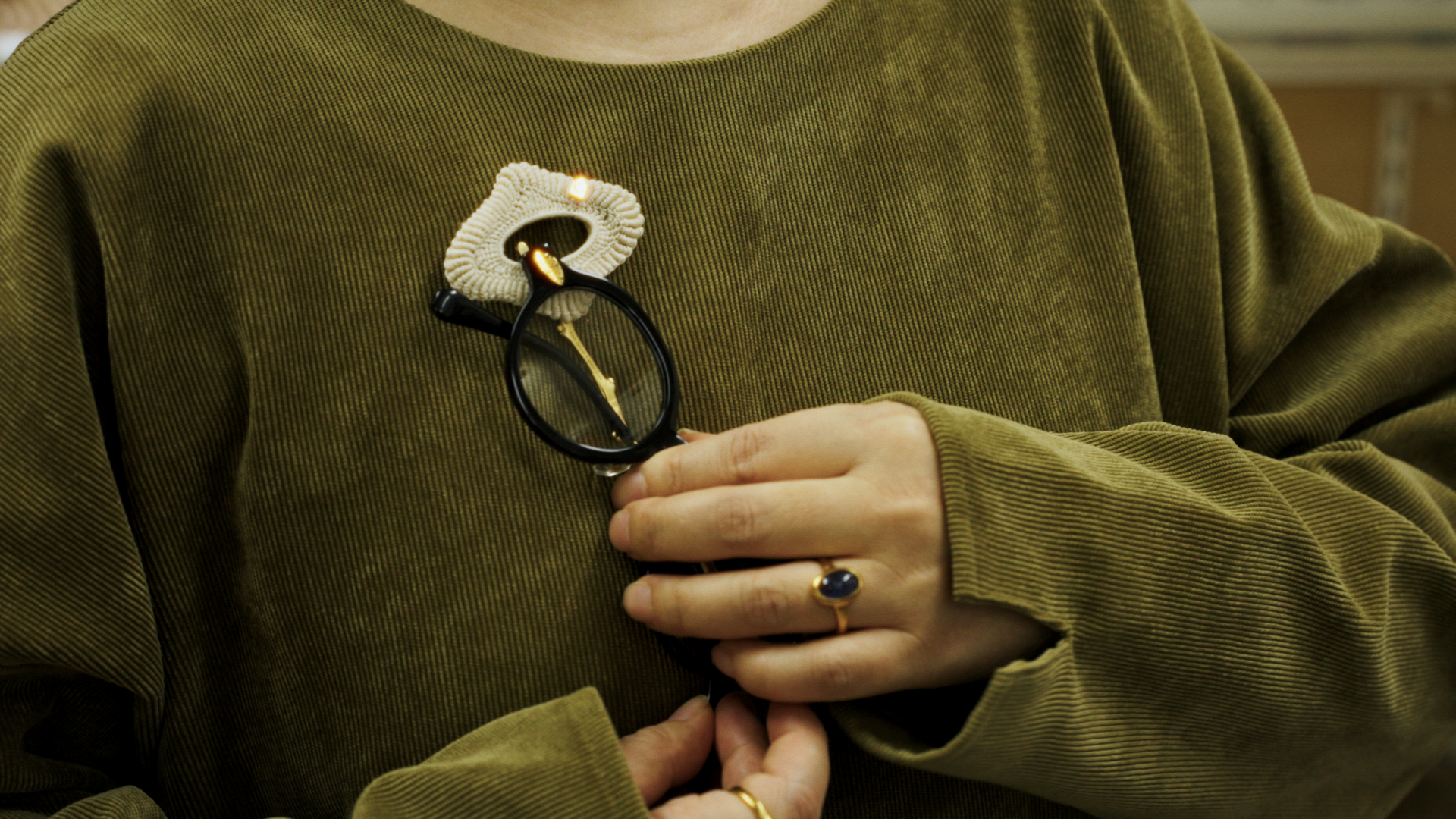
Eyewear is an everyday necessity, and the market is already filled with countless options. In that context, we have continued to ask ourselves what it means to create a pair that someone chooses not because “this will do,” but because “this is the one I want.”
At the same time, people’s tastes are incredibly diverse, and creating something that resonates broadly has never been easy for us. That is precisely why we have remained committed to designing from a place that feels true to our own perspective.
Before the brand found its footing, there were moments when we questioned whether it was really enough to continue making niche pieces inspired by the culture we love and by forms found in nature. But now, as we approach the 10th anniversary of our atelier, we feel that the simple fact that kikiki optique has endured is itself proof that we can place greater confidence in what we do.
More than ever, we believe that protecting that core vision without compromise is what matters most.
culture eye
Each frame is made by hand, one by one. What is most important to you in the making process?
Yasuhisa Obata
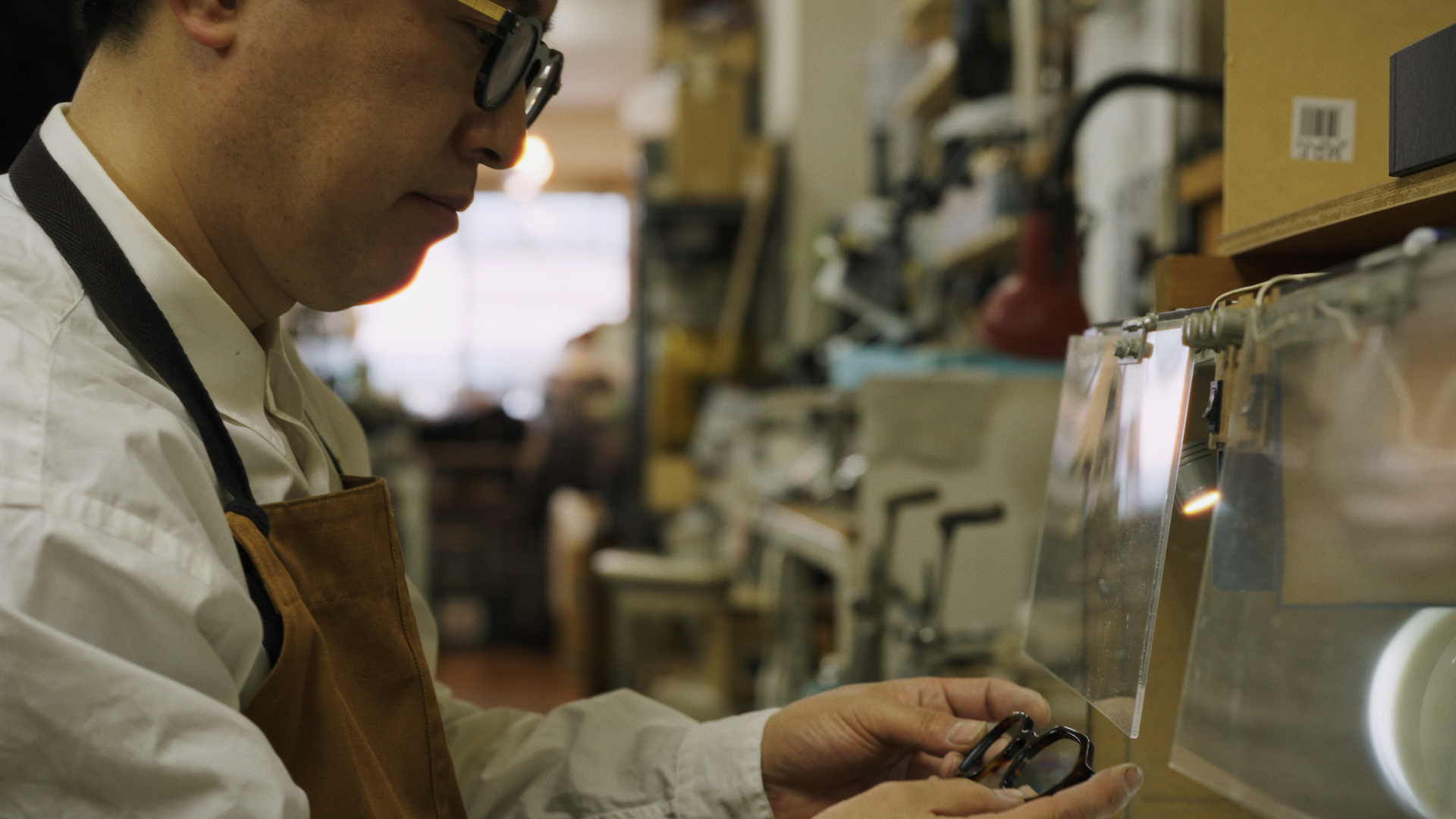
Because each piece is individually handmade, we hope the wearer can sense the subtle irregularities and the warmth that only handcraft can convey.
culture eye
We imagine every frame holds a special significance, but is there a model or series that feels particularly meaningful to you, or one that was especially challenging from a technical perspective?
Yukiko Obata
Our collaboration line with atelier mozu stands out in particular.
By inviting a jewelry artist whose work we deeply admire to interpret motifs with us, and by developing the pieces together, we were able to move beyond the familiar expressions and unconscious habits that had shaped our work up to that point.
It was a series that greatly expanded our world, both technically and creatively.
culture eye
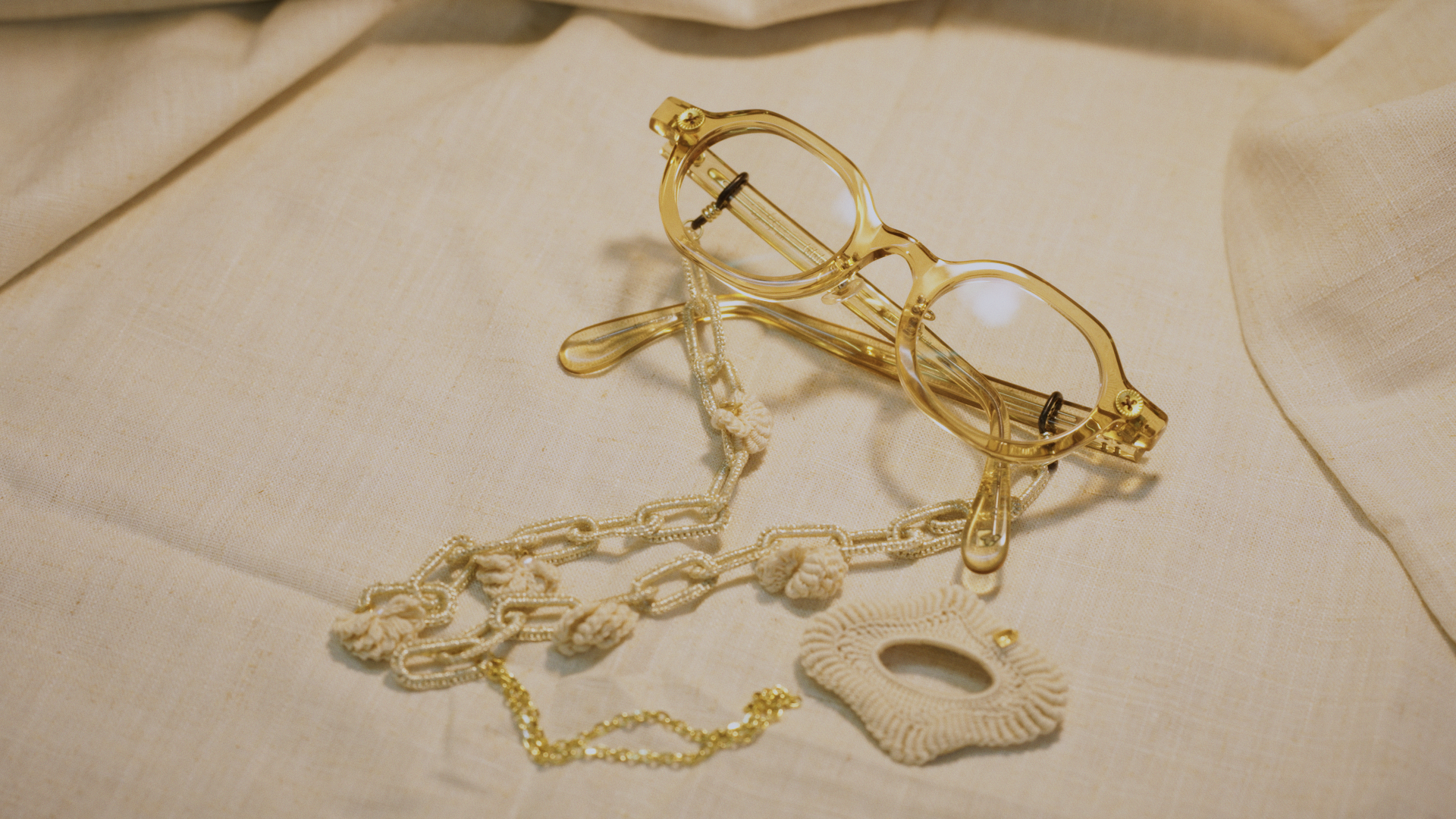
You have also presented delicate eyewear chains and other new works in collaboration with Hallelujah, a Japanese jewelry brand known for its crochet accessories made with thread and beads. How do these collaborations with jewelry artists come about?
Yukiko Obata
For us, any collaboration has to begin with a genuine mutual appreciation for each other’s craftsmanship, and with a simple, honest sense of admiration.
In the case of Hallelujah, we had been wearing and loving each other’s work for many years, so the collaboration emerged quite naturally—almost as if the timing had finally arrived.
culture eye
Finally, could you share what you hope to challenge yourselves with next, and what lies ahead for the brand?
Yasuhisa Obata
Yes, one of our long-standing goals is to create a flagship store where we can express our world in a fully dimensional way. We have been gradually preparing for that next step.
kikiki optique
Twinkle each individual glance.
As each of our unique personality shines, a pair of eye glasses should shine too. We kikiki optique draw your quiet aspiration, a piece of beautiful dream with our hand crafted eyewear.
Brand Website: http://atelier-kikiki.net
Instagram: https://www.instagram.com/atelier_kikiki/
X (Twitter): @atelier_kikiki
This interview was conducted exclusively for cultureeye.jp. All text, images, and videos featured herein are the exclusive property of cultureeye.jp and may not be reproduced without permission. © cultureeye.jp. All rights reserved.
